Chuckles: Twelve weeks to get our buddy back
Chuckles slipped, yelped, and lost his appetite. Twelve weeks of crate rest and a neurologist's plan later, he's off meds and walking again. Here's what recovery looked like day to day, and the lessons we wish we'd known sooner.
The experiences, advice and opinions on this page are Mavis & Brandon's. These are not a veterinarian's, and these are not Tendi's guidance. Every dog and every situation is different, so work with your vet and a veterinary neurologist on the right plan for your dog.
Chuckles at a glance
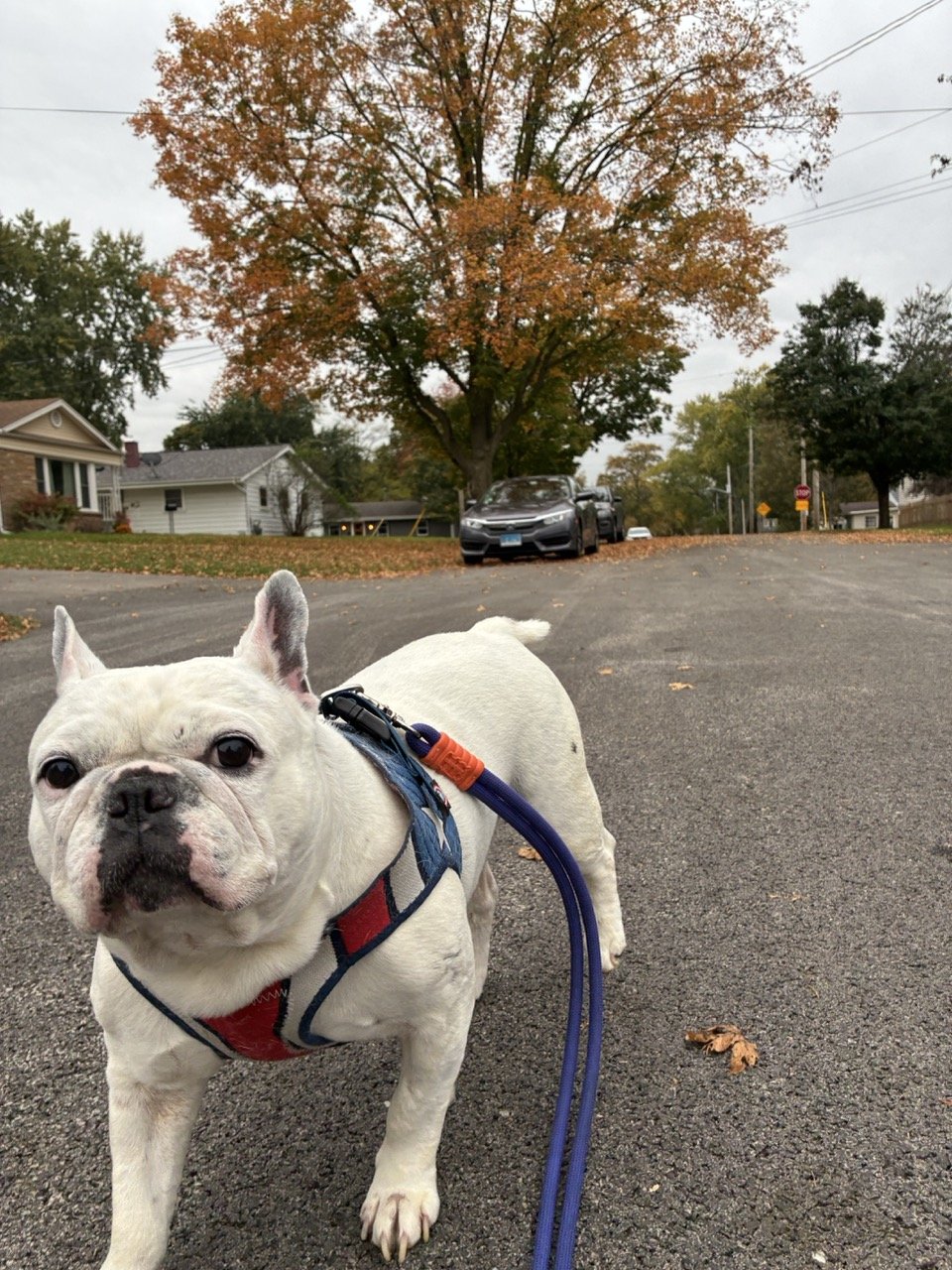
- Dog: Male French bulldog, about 8 years old, about 36 lb; active, social, built.
- Changes: Appetite loss for 1-2 weeks (lost 3-4 lb); back feet slipping; unexplained yelps; arched back with pain on light touch.
- Initial assessment: Vet suspected IVDD; only an MRI could confirm it. We started with conservative care.
- Neurologic status: Roughly treated as a Stage 1-type picture. Chuckles always kept bladder control, bowel control, and deep pain sensation. He was never paralyzed and never lost continence.
- Treatment path: Conservative care with our regular vet, then a neurologist around week 8 who guided another month of strict rest and a med taper.
- Recovery length: About 12 weeks of crate rest.
- At this update: Off medication and walking again. Happy with his progress; still careful.
Our experience and how care was framed, not a treatment plan. Meds, rest length, and staging language need to come from your vet.
Treatment timeline
| Stage | What happened |
|---|---|
| Initial care | Suspected IVDD; meds and rest began. Pain continued; activity limits too loose. |
| Treatment adjustment | Steroid washout into carprofen was hard; gabapentin at an increased dose. Comfort slowly improved. |
| ~8 weeks | Neurologist visit. Still painful when meds reduced; plan continued. |
| Following month | Meds tapered with neurologist guidance. |
| ~12 weeks | Off medication and walking again. |
1. First signs
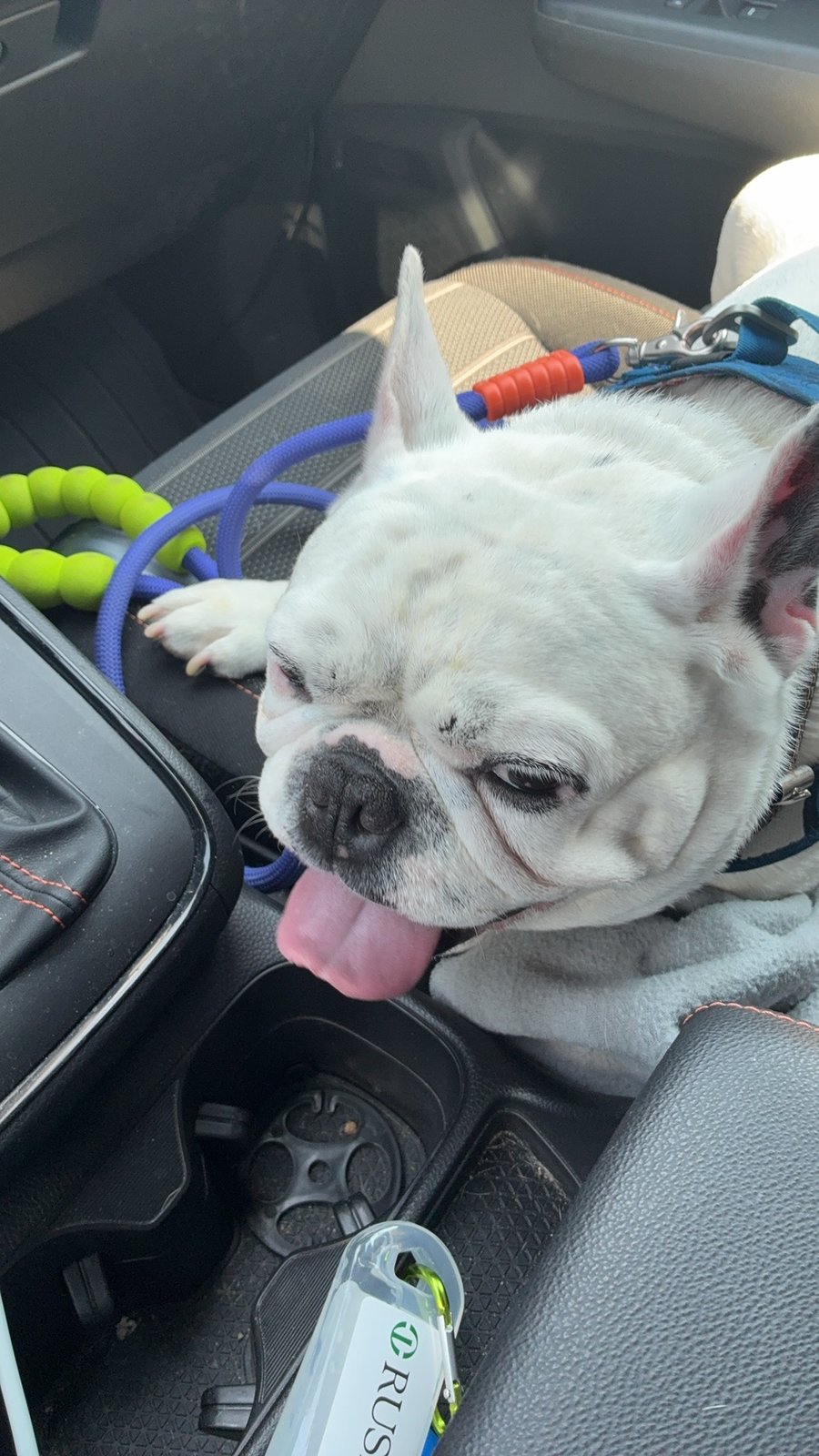
Along with a few slips & occasional yelp, Chuckles stopped eating for a week or two in late June. He kept drinking but lost weight. The clinic treated it as an upset stomach. Looking back, we wonder whether his back pain had already started.
Then the pain & worrying signs escalated. One day he had an arched back after coming inside and yelped in pain from just a light touch on one side. That made it clear another vet trip was needed.
Conservative care vs surgery is a decision with your vet or neurologist. See Surgery or strict crate rest? and Diagnosis.
2. "Crate rest" without understanding it
The vet said it could be IVDD; but only an MRI would confirm it, and surgery came up too. Both cost a lot, so we started conservative care. Nobody left clear on how strict "rest" had to be.
"They just handed us a couple of printouts & said, do crate rest." That was it. Nobody spelled out how urgent it was.
So we started loose: blocked off the couch to prevent jumping but Chuckles could still walk outside and down a couple of stairs. At the time it seemed like enough. Looking back, we put the miss on both sides: the visit didn't emphasize how serious crate rest was, and we didn't take it seriously enough from the start. Lack of knowledge was the real enemy. It was so hard seeing him restricted that we felt guilty about confinement. But looking back, strict playpen rest should have come much earlier. Those early weeks of half rest may have made his recovery longer.
"We didn't know about how important early confinement was."
Questions we wish we'd asked before leaving:
- What movement is allowed, and what should we prevent?
- How should steps, lifting, and bathroom breaks work?
- What size and type of recovery space does he need?
- What changes mean we should call or seek urgent care?
- When should we reassess or see a neurologist?
3. Pain control took adjustments
The first approach wasn't enough. A steroid may have upset his stomach and didn't really help as the breakthrough pain continued.
The hardest stretch was the washout before carprofen: 5-7 days with no anti-inflammatory in between, as the vet recommended. Those were his worst pain days: panting, yelping, crying. Mavis felt heartbroken. Sometimes Chuckles and the baby were both crying. Those days still feel like PTSD.
"Carprofen was like a miracle drug for him."
Once carprofen took hold (with gabapentin at an increased dose), the schedule itself became medicine: give meds about 1.5 to 2 hours before going out so he left the pen when most comfortable.
4. Setup and daily routine
Chuckles had never used a crate, so we used a baby's playpen with adjustable panels, starting smaller.
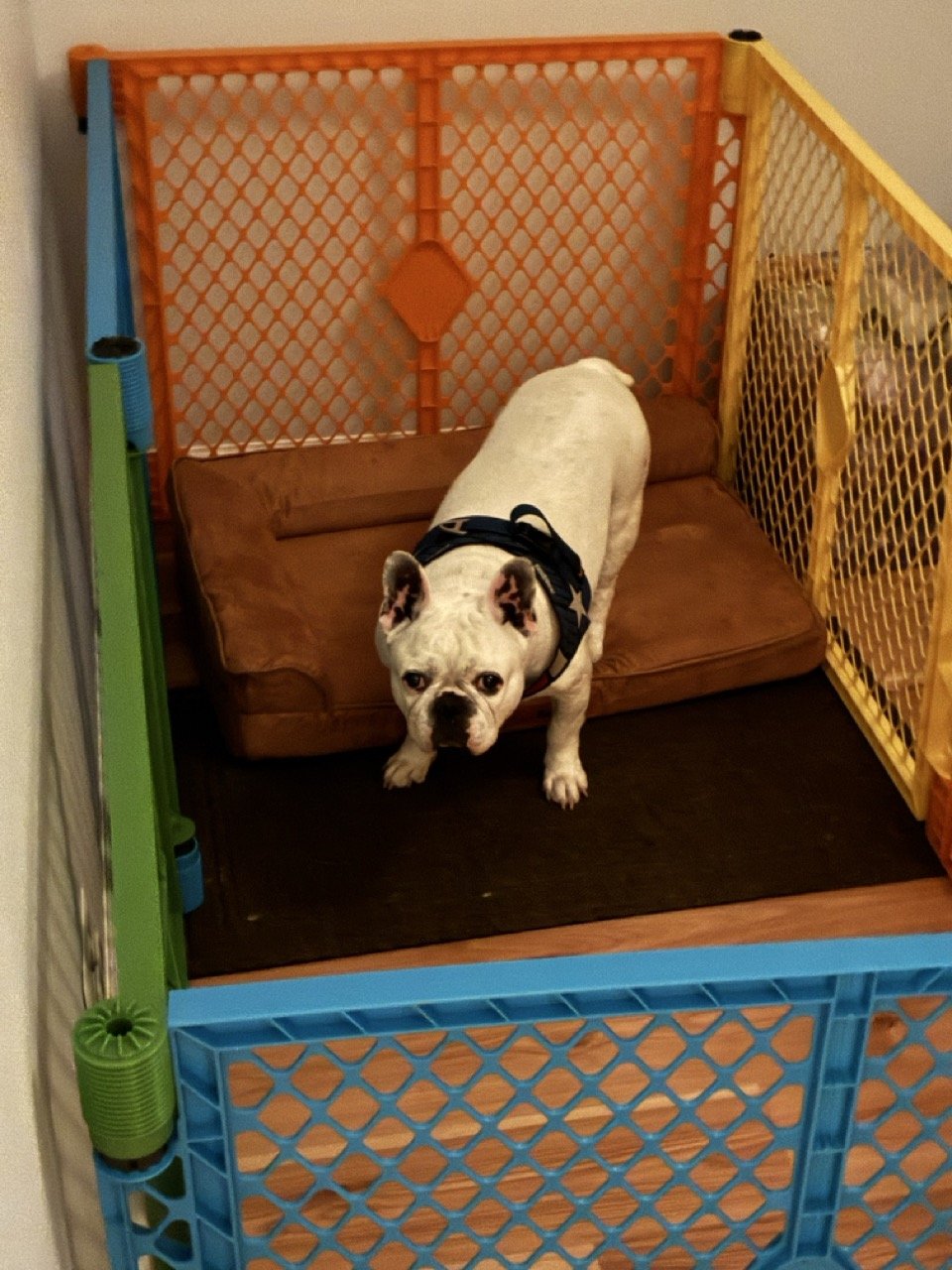
Where it went mattered. In worse pain, a quieter office helped him stay calm. Later that quiet felt too isolating, so we moved the playpen to the living room. Being near family was part of resting well.
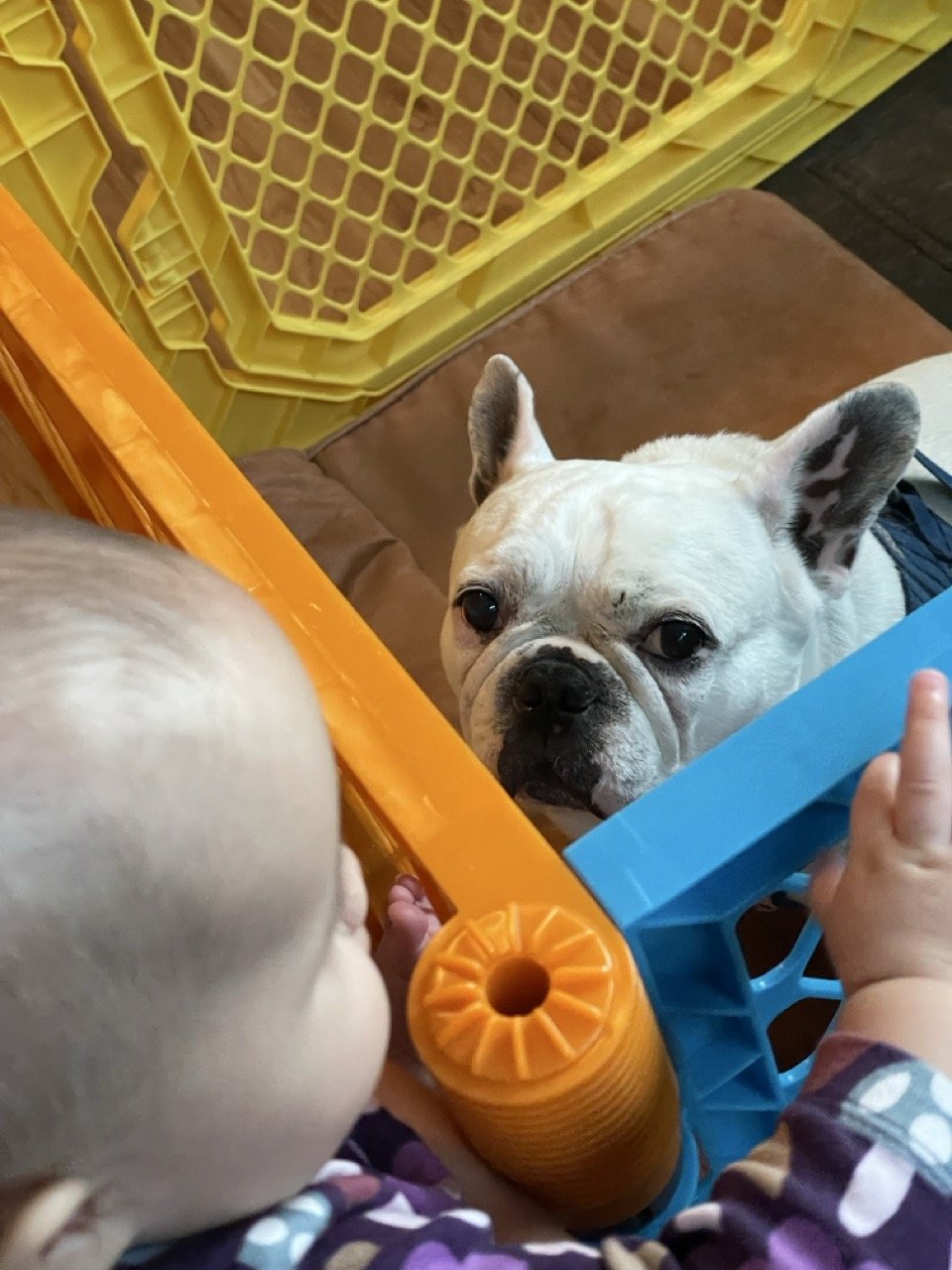
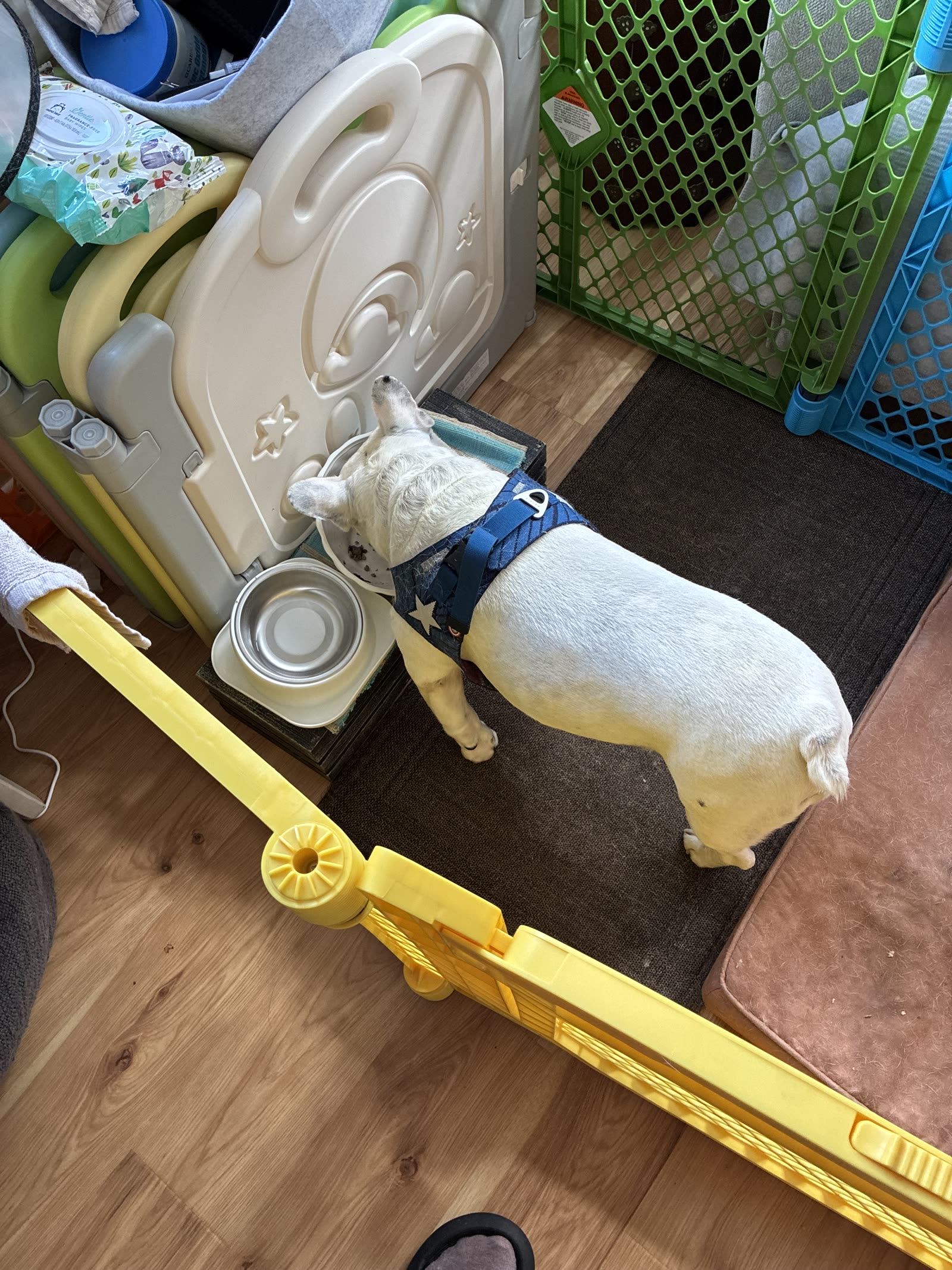
Settled routine:
- Food and water in the pen (raised up so Chuckles didn't bend down far)
- Medication on a consistent schedule
- Carry him out for 3 bathroom breaks with keeping his spine level
- Adjust noise or isolation when settling got harder
Every bathroom break meant several lifts, about a dozen a day counting out and back in, on top of meds and a baby. Our own backs started crying for help.
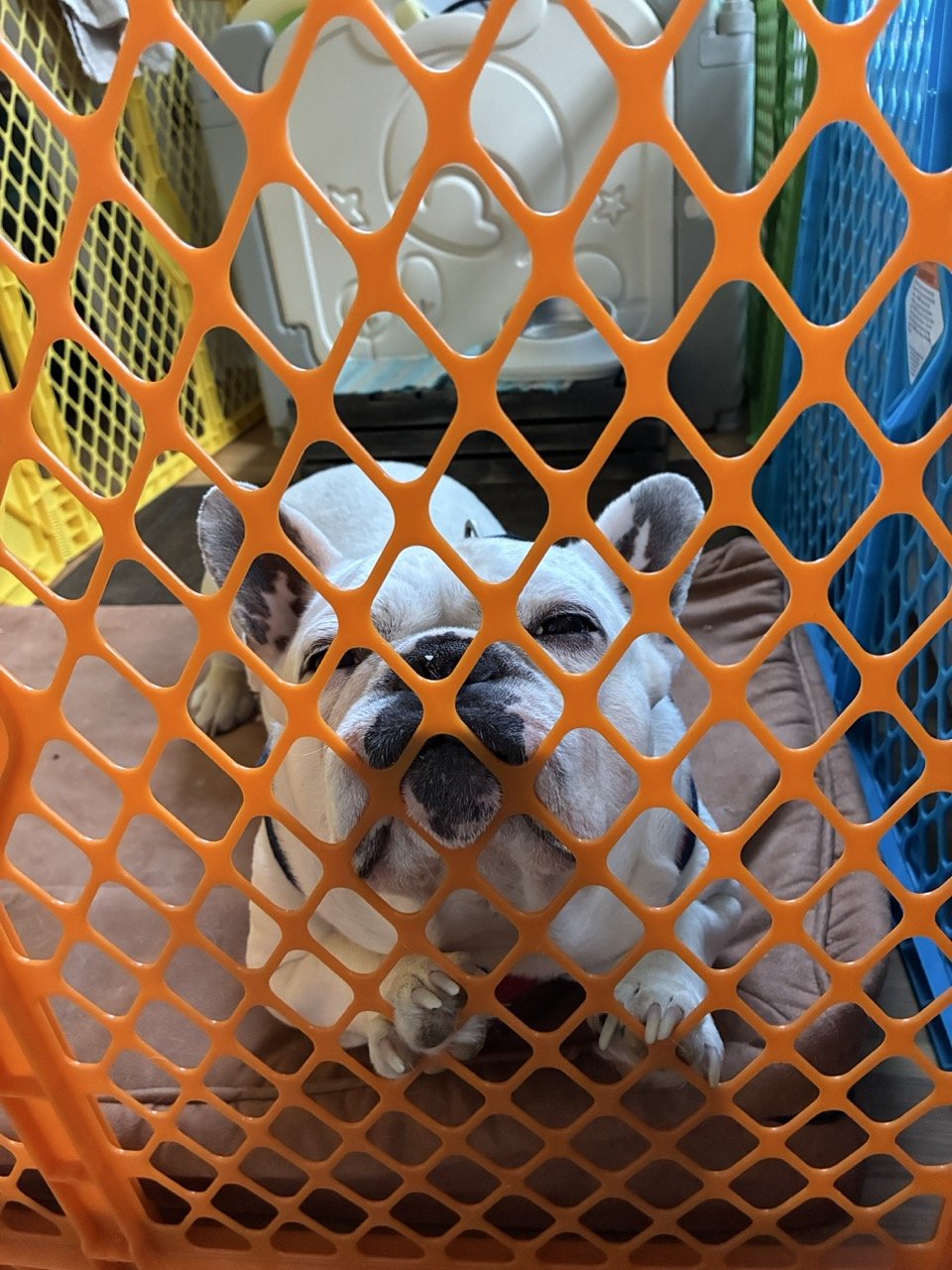
5. Hard parts and the neurologist wait list
The hardest part wasn't the setup. It was the sound. When pain spiked, Chuckles would yelp and cry, and there wasn't much to do but calm him and wait for medicine. Also we needed to be mindful of outside sounds and keeping the house calm as his barking could make his pain worse. Maintaining quiet became a key part of this care.
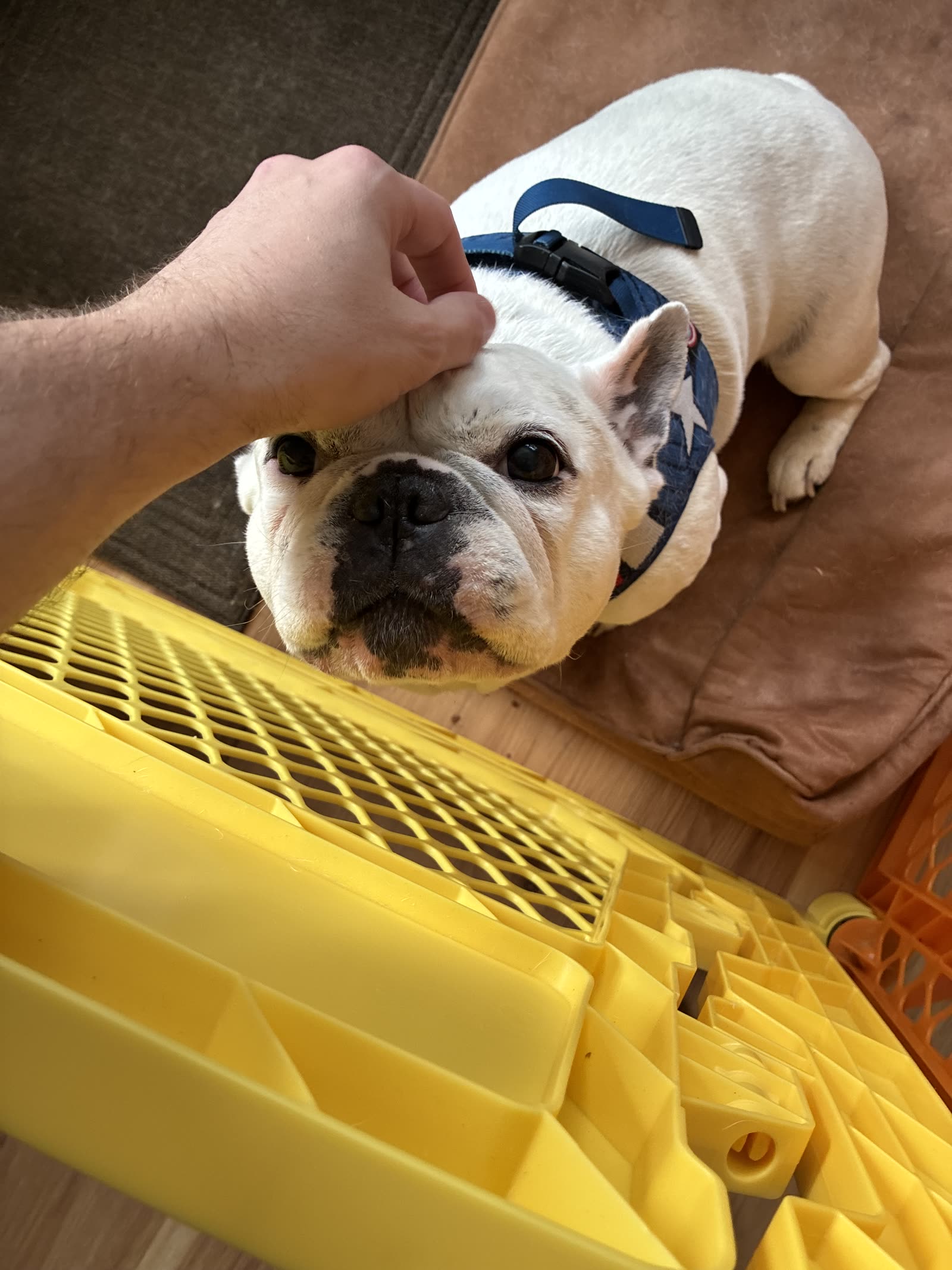
Our tip: call a neurologist the day you first suspect a back problem and ask to be on a wait list. Getting seen can take 3-4 weeks.
6. Where he is now, and what we'd do differently
He's walking again. We're very happy, and still careful.
If we could go back, these are the things we would change:
- Leave with a specific home-care plan. "Crate rest" alone wasn't enough. Clear rules for stairs, lifting, potty trips, and how long to stay strict.
- Ask earlier about specialist input. The neurologist clarified the picture and next steps.
- Make the routine easy to repeat. Fixed med times, carried bathroom trips, and a recovery space we could stick with.
- Treat appetite loss as a possible pain clue, and make rest strict from day one. Those are the misses we still regret.
Experience only. See recovery timeline and after crate rest.
It isn't a miracle story. It's an early sign nobody connected, a loose start to crate rest we wish we could redo, and a long plan that finally worked. Chuckles healed close to his family.
Start with the guide that matches the hard part.
If your dog is yelping in pain, has trouble with their back legs, or can't walk, call a vet or ER now. A story cannot replace an exam.
This story, and the advice and opinions in it, are Mavis & Brandon's. These are not a veterinarian's, and these are not Tendi's guidance. Medication names are for context only. Work with your vet and a veterinary neurologist on the right plan for your dog.